Sam Metz (Government Art Collection)
We’re celebrating the latest chapter of Art X-UK, our partnership with the Government Art Collection connecting regional talent with national collecting. Across 2025–26, works by Yorkshire and the Humber-based artists Grace Clifford, Kedisha Coakley, Sam Metz and Karanjit Panesar have been acquired for the Government Art Collection, meaning their art will now be represented in government buildings around the world. So we’re spotlighting each of the 4 artists selected from our region!
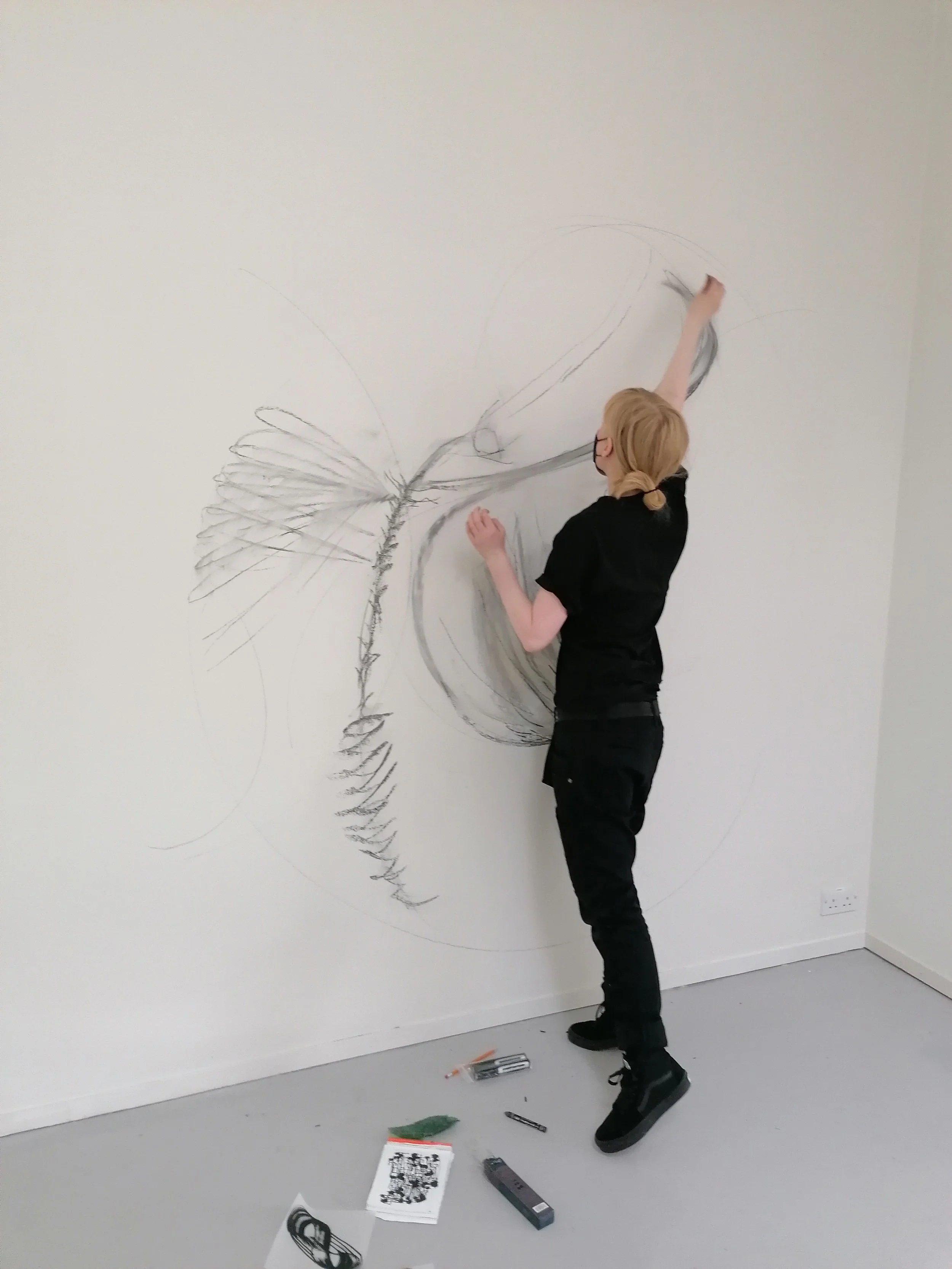
Sam Metz makes sculptural installation in response to neurodivergence and the body, often relating to stimming and ecology. They were the Aesthetica emerging art prize winner 2025, a nominated recipient of the Henry Moore Foundation Award 2023 and a current PhD by practice researcher at Loughborough University with Big Splash funding.
Credit: The Art House, 2023“When my disability progressed and I could no longer perform I found that sculpture allowed me to interrogate the same language of movement in time and space and it has been a really exciting journey.”
Can you tell us a bit about your practice as a visual artist?
I started my career as a socially engaged artist, often working with young disabled people to engage with museum and gallery collections. My initial practice was as a movement artist doing physical theatre informed by fantastic training with Guerilla Art Lab directed by Rachel Parry. When my disability progressed and I could no longer perform I found that sculpture allowed me to interrogate the same language of movement in time and space and it has been a really exciting journey. I have been very well supported on this transition, in 2021 I received an emerging art bursary from Unlimited which allowed me to make my first body of sculptural work that I had been imagining for some time, it was so exciting to realise this work. I have really valued the support of curators who recognised what I was doing with my work and platformed my practice, such as Rachel Graves, Damon Jackson - Waldock, Aidan Moesby, Kyongfa Che and Becky Gee. I feel that I have started to create a coherent artist voice due to both this support and exposure to other artists.
What can you tell us about your work that has now been acquired in the Government Art Collection? And what does being a part of this collection mean to you?
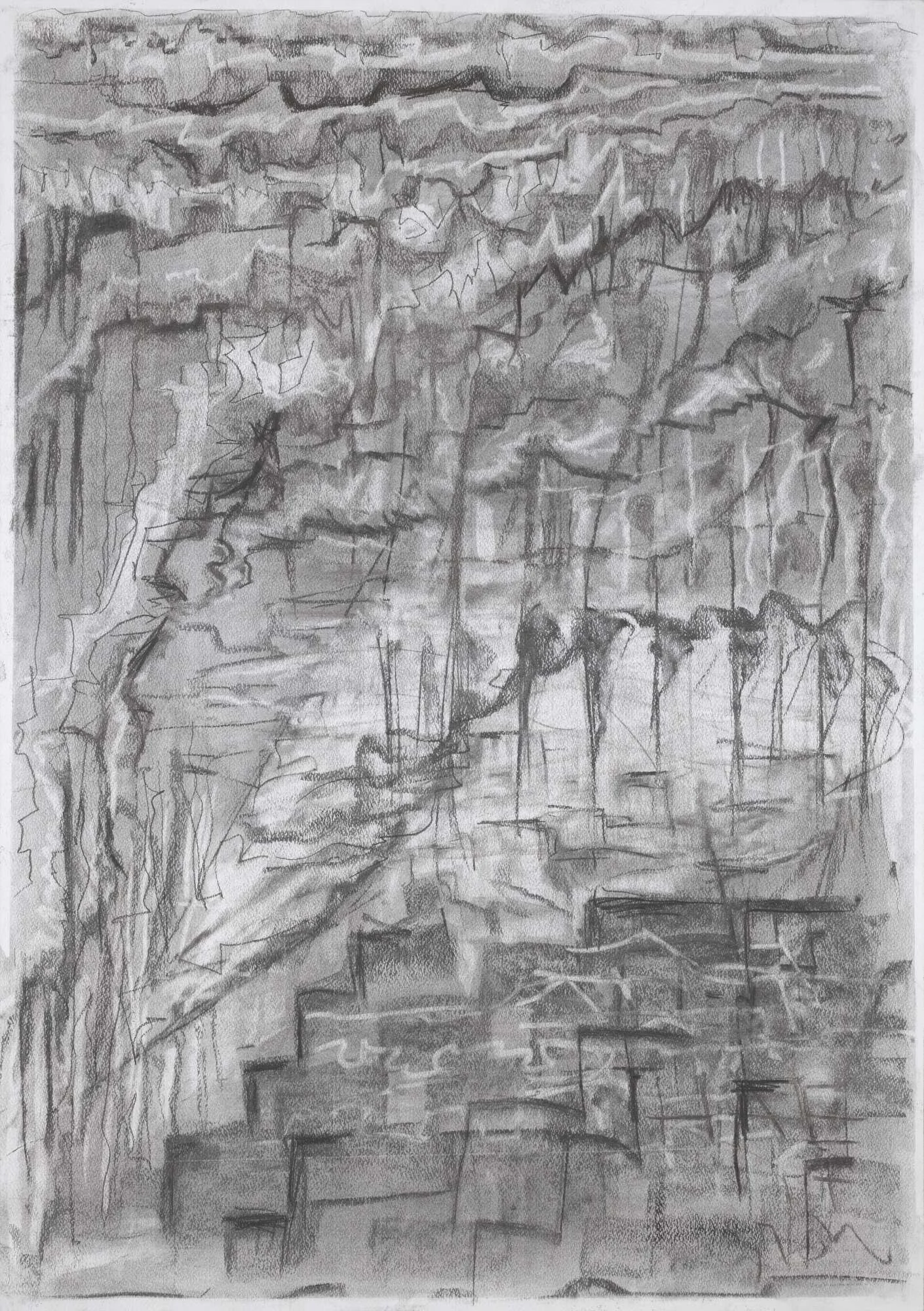
The work acquired is a large 'drawing as stimming' drawing, created through repetitive marks and layering through stimming. It feels important for a national collection to recognise drawing as both a neurodivergent aesthetic form and part of a creative process. I am delighted to be part of the collection.
Credit: Sam Metz, Drawing as Stimming, fixed charcoal on cartridge paper, 2021Why do you create?
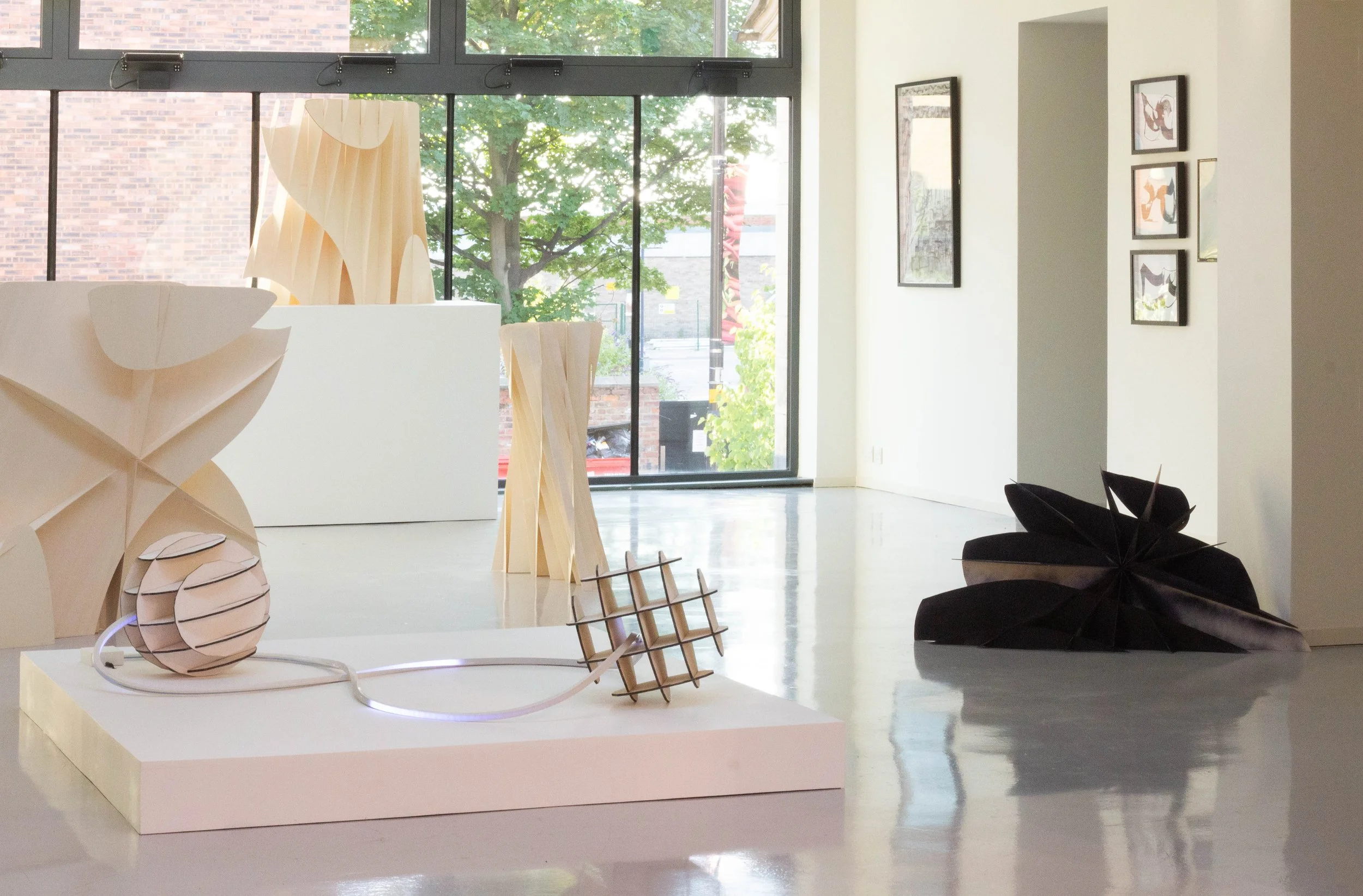
I am interested in questioning sensory modality hierarchies in my work. I am trying to answer the question, what might an embodied ethics of encounter look like that centred neurodivergence? I make work to explore tactility and to explore material feedback. I try not to prioritise vision in the making of my work (I am visually impaired) because I think there are more interesting conversations to be had through other sensory forms.
Do you consider yourself to be part of any artist networks/community, what are they and how do they impact your practice?
I am currently part of a drawing research network for my PhD which helps to situate contemporary approaches to drawing.
I have previously been connected to Feral rewilding, an alternative education platform in Hull and Yorkshire Sculpture Network, both of which helped me to connect more deeply to my practice.
Credit: The Arthouse and Niamh O'Donnelly“I try not to prioritise vision in the making of my work (I am visually impaired) because I think there are more interesting conversations to be had through other sensory forms.”

What changes would you like to see in the wider arts sector?
Networks like those mentioned above are particularly important to me as I struggle to access private views and other artist networking events that often don't accommodate disabled artists well. So I value peer connection in my work. I would like to see private views and networking events consider the needs of disabled visitors more and make their access offer transparent.
Credit: David Wilson Clarke Attenborough Arts Centre, Guerilla Art Lab What are your future aspirations as a visual artist and have you got anything coming up you’d like to share?
At the beginning of the year I made work that explored rocking movement and supported interactive engagement for the Beyond the Visual show at the Henry Moore Institute. My hope is to continue this research, considering how to open up how people can move when they engage with my work and particularly to support people to stim.
Currently I am working on an upcoming (yet to be announced) group show for which I am developing more Drawing as Stimming work.
I am also about to start the second year of my practice based PhD which is exploring drawing in the expanded field considering tactility and neurodivergence.
“I would like to see private views and networking events consider the needs of disabled visitors more and make their access offer transparent.”
See the new Government Art Collection acquisitions here!
Links:
Website: www.sammetz.com
Instagram @chippedpale