Kedisha Coakley (Government Art Collection)
We’re celebrating the latest chapter of Art X-UK, our partnership with the Government Art Collection connecting regional talent with national collecting. Across 2025–26, works by Yorkshire and the Humber-based artists Grace Clifford, Kedisha Coakley, Sam Metz and Karanjit Panesar have been acquired for the Government Art Collection, meaning their art will now be represented in government buildings around the world. So we’re spotlighting each of the 4 artists selected from our region!
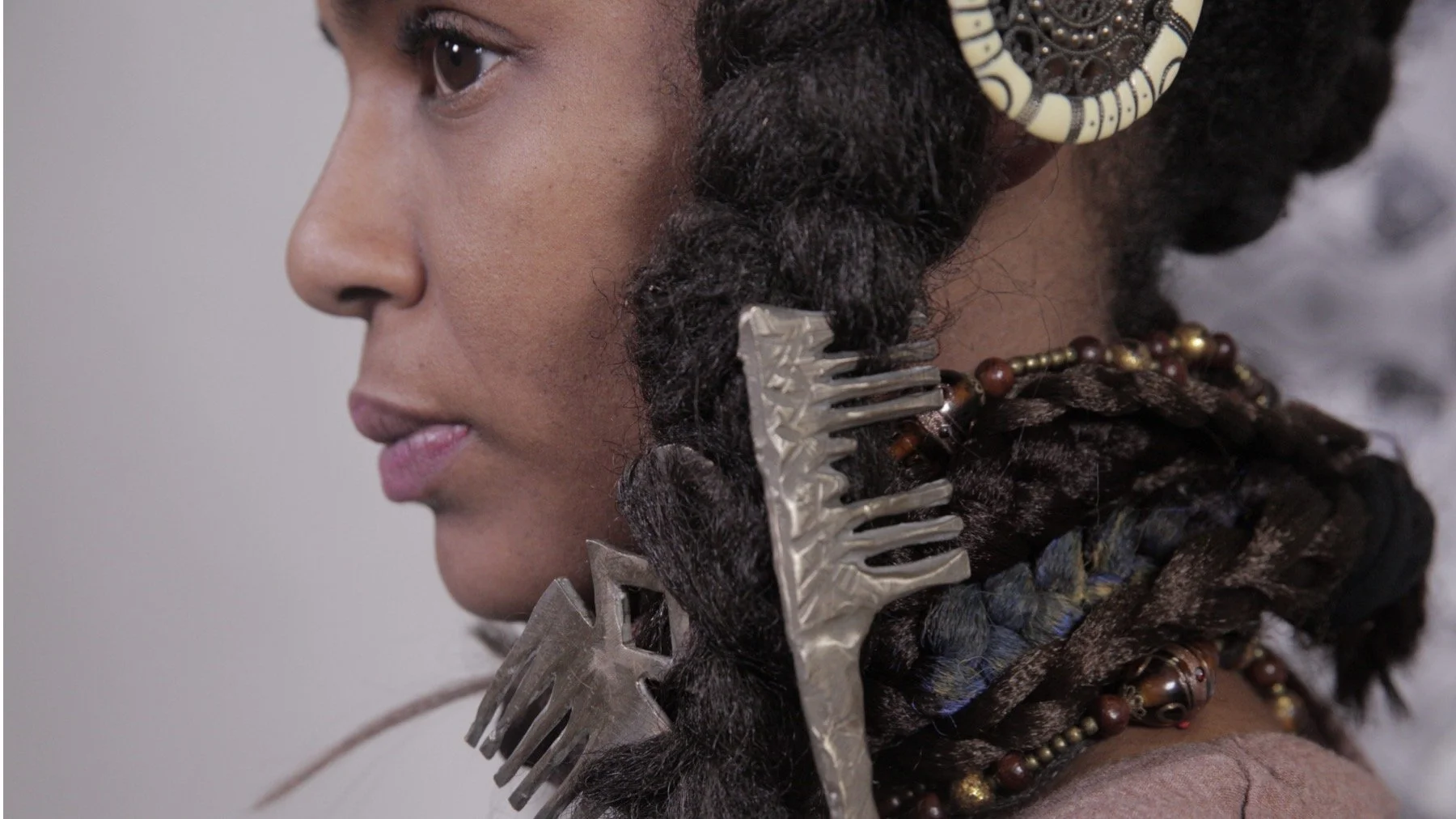
Introducing Kedisha Coakley, a Black British multidisciplinary artist, archivist and researcher based in Sheffield. Working across sculpture, installation, printmaking and moving image, her practice explores Black diasporic histories, colonialism, ecology, migration and the archive through material-led and research-based approaches.
Credit: Kedisha Coakley, artist image“I create because I’m interested in the stories that sit beneath what we think we know. As a Black British artist of Jamaican heritage, making allows me to question how histories are constructed, whose knowledge is valued and who gets remembered.”
Can you tell us a bit about your practice as a visual artist?
I’m a multidisciplinary artist working across sculpture, installation, printmaking, photography and moving image. My practice explores Black diasporic experience, colonial histories, ecology and the archive, particularly the movement of people, plants and materials between Britain and the Caribbean. I’m interested in what institutions preserve, what disappears, and how materials including bronze, hair, steel and archival fragments can carry histories of migration, extraction, memory and resistance.
What can you tell us about your work that has now been acquired in the Government Art Collection? And what does being a part of this collection mean to you?
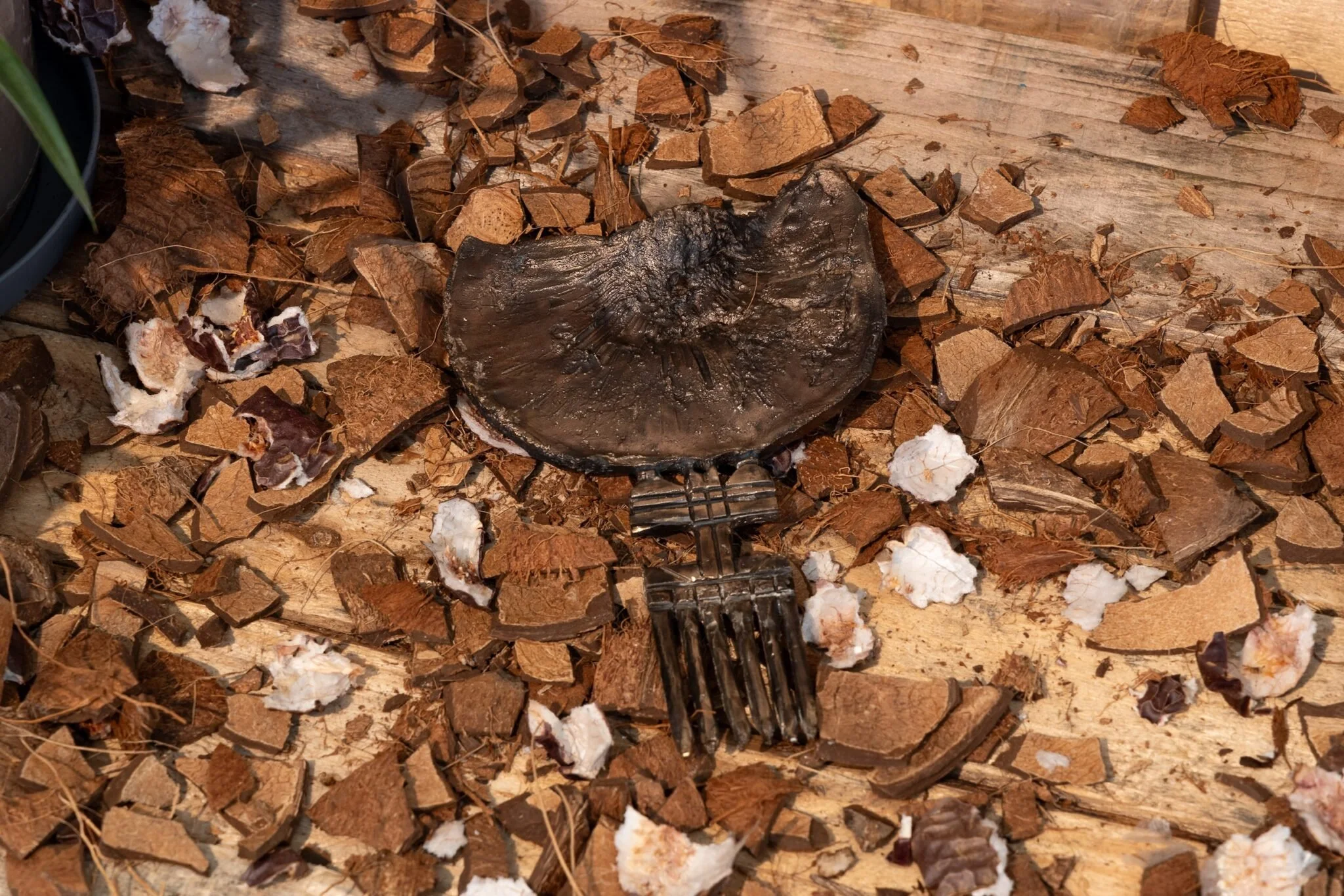
The Government Art Collection acquired two bronze works: I AM HERE: Breadfruit II (2023), an Afro-comb exploring Black presence, identity and belonging, and Collection 15 (2023), comprising botanical specimens including cotton, pineapple and tamarind that trace histories of colonial trade, extraction and movement. Entering a collection representing British cultural life feels significant: these objects insist that Black diasporic and colonial histories are also British histories.
Credit: Kedisha Coakley, I AM HERE: Breadfruit II, 2023Why do you create?
I create because I’m interested in the stories that sit beneath what we think we know. As a Black British artist of Jamaican heritage, making allows me to question how histories are constructed, whose knowledge is valued and who gets remembered. Art gives me a way to bring fragmented histories into conversation with the present, while creating space for curiosity, recognition and different ways of understanding ourselves and our relationship to history.

Do you consider yourself to be part of any artist networks/community, what are they and how do they impact your practice?
Community has been incredibly important to my development as an artist. I’m connected to artists, curators, researchers and cultural organisations across Yorkshire and beyond, including relationships developed through YVAN, museums, galleries and artist-led spaces. These networks create opportunities for exchange, support and critical conversation. They remind me that a practice doesn’t develop in isolation; it grows through relationships, shared knowledge, generosity and being able to learn from other people’s experiences.
Credit: Kedisha Coakley, No Place Like Heimat: Coat of Arms of the Diaspora (Blueprint I), 2024-2025 “I’m connected to artists, curators, researchers and cultural organisations across Yorkshire and beyond, including relationships developed through YVAN, museums, galleries and artist-led spaces. These networks create opportunities for exchange, support and critical conversation. ”
What changes would you like to see in the wider arts sector?
I’d like to see greater transparency around access, money and opportunity, particularly for artists from working-class and historically underrepresented backgrounds. Inclusion needs to extend beyond exhibitions and programming into who holds decision-making power, who works with collections, and whose knowledge is considered expertise. I’d also like institutions to invest in longer-term relationships with artists and communities, rather than expecting meaningful change to emerge from short-term projects.
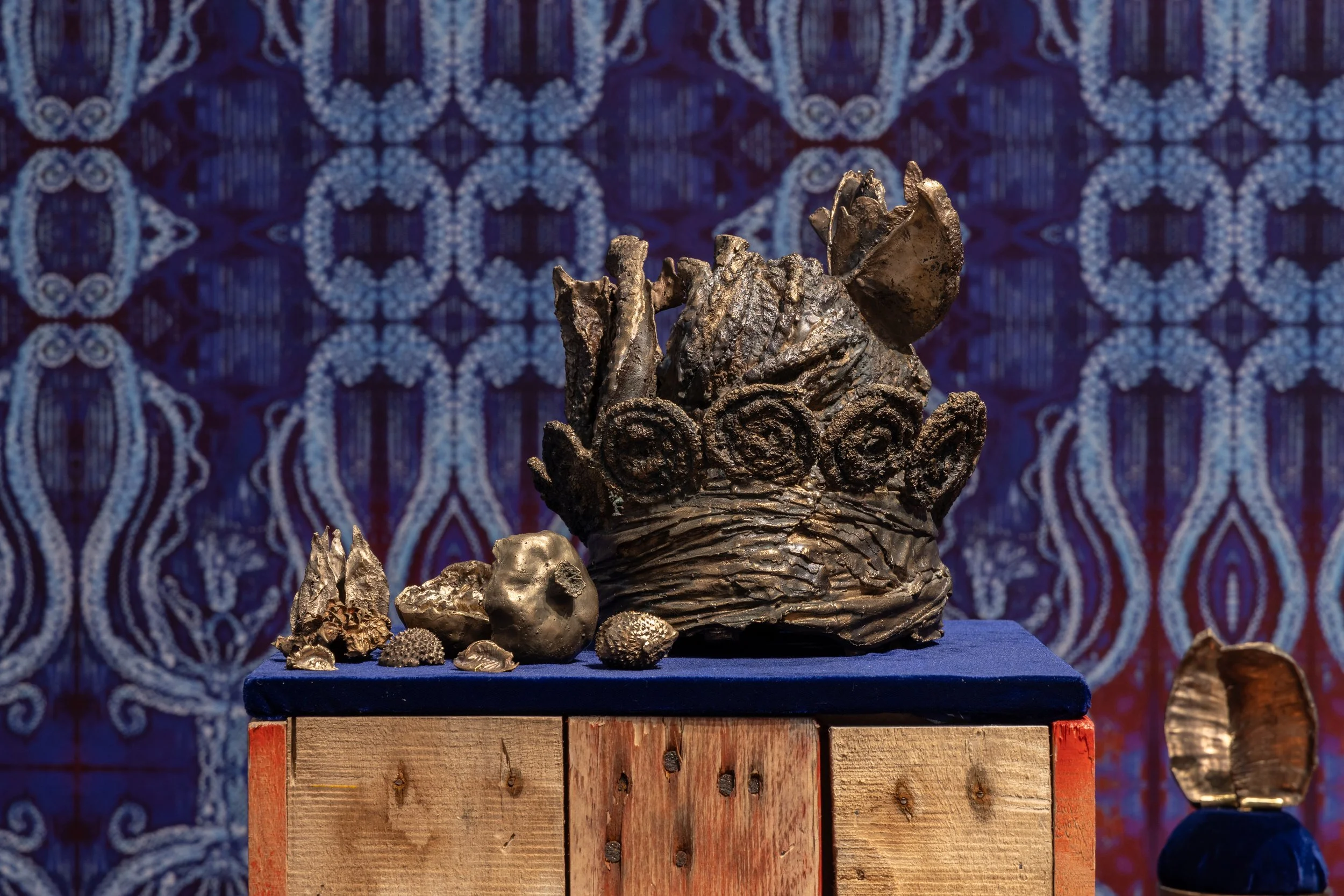
Credit: Kedisha Coakley, Dhuka and specimens with wallcovering On the Border of my Peaceful Home, 2024 ©Jules Lister Film Making and PhotographyWhat are your future aspirations as a visual artist and have you got anything coming up you’d like to share?
I want to continue developing ambitious sculptural, archival and moving-image projects that connect Britain, Jamaica and wider diasporic histories. I’m currently leading a legacy project around Jamaican-born sculptor Ronald Moody, including co-curating Ronald Moody: Sculpting Life at Orleans House Gallery (now open https://orleanshousegallery.org/events/ronald-moody-sculpting-life/ ) and creating the documentary Ronald Moody: Sculpting Life, What the Spirit Carved (previewing October 30th at Orleans House Gallery). I’m interested in where my roles as artist, researcher and archivist can increasingly intersect.
“Inclusion needs to extend beyond exhibitions and programming into who holds decision-making power, who works with collections, and whose knowledge is considered expertise.”
See the new Government Art Collection acquisitions here!
Links:
Instagram: @KedishaCoakley
Website: www.kedishacoakley.co.uk
Linkedin: Kedisha Coakley